

Abre casi cualquier escaparate y algo compite por tu atención. Un temporizador que cuenta regresivamente hasta una fecha límite que se reinicia mañana. Una insignia que insiste en que otras cuatro personas están viendo esto. Un banner que se desliza sobre lo que estabas tratando de leer.
Estas tácticas existen porque funcionan. La presión eleva de forma fiable la conversión a corto plazo. La pregunta que nadie hace en la misma reunión es cuál es el costo, y ese costo se sitúa en un lugar que los paneles trimestrales no muestran.
La urgencia toma prestado del mañana
Una fecha límite fabricada convierte acortando la deliberación. Ese es todo el mecanismo. No hace que el artículo sea más adecuado, te hace decidir antes de estar listo.
Algunas de esas decisiones iban a ocurrir de todos modos, por lo que el aumento parece real. El resto se convierte en devoluciones, arrepentimiento del comprador y una nota silenciosa para uno mismo de que esta tienda presiona. Hazlo el tiempo suficiente y habrás entrenado a tus mejores clientes para desconfiar de tus señales, incluidas las honestas.

La carga cognitiva es el verdadero asesino de la conversión
La ironía es que la mayoría de los escaparates no pierden ventas frente a competidores. Las pierden por confusión. Demasiadas opciones casi idénticas, diferencias poco claras, costos ocultos que aparecen en el último paso.
La investigación sobre usabilidad sigue llegando a la misma conclusión: la fricción en la comprensión, no la falta de motivación, es lo que detiene las compras. Estudios sobre usabilidad en el proceso de compra han encontrado consistentemente que una gran parte del abandono se debe a problemas evitables de interfaz y claridad más que al precio.
Lo que significa que el trabajo de mayor impacto suele ser la sustracción. Menos opciones, distinciones más claras, costos mostrados desde el principio.
Cómo se ve la calma en la práctica
No es tanto un estilo como un conjunto de rechazos. No hay cuenta regresiva que no corresponda a algo real. No hay cifras de stock que no podamos respaldar. Precios que incluyen lo que realmente pagarás. Descripciones que nombran el compromiso, porque todo tiene uno.
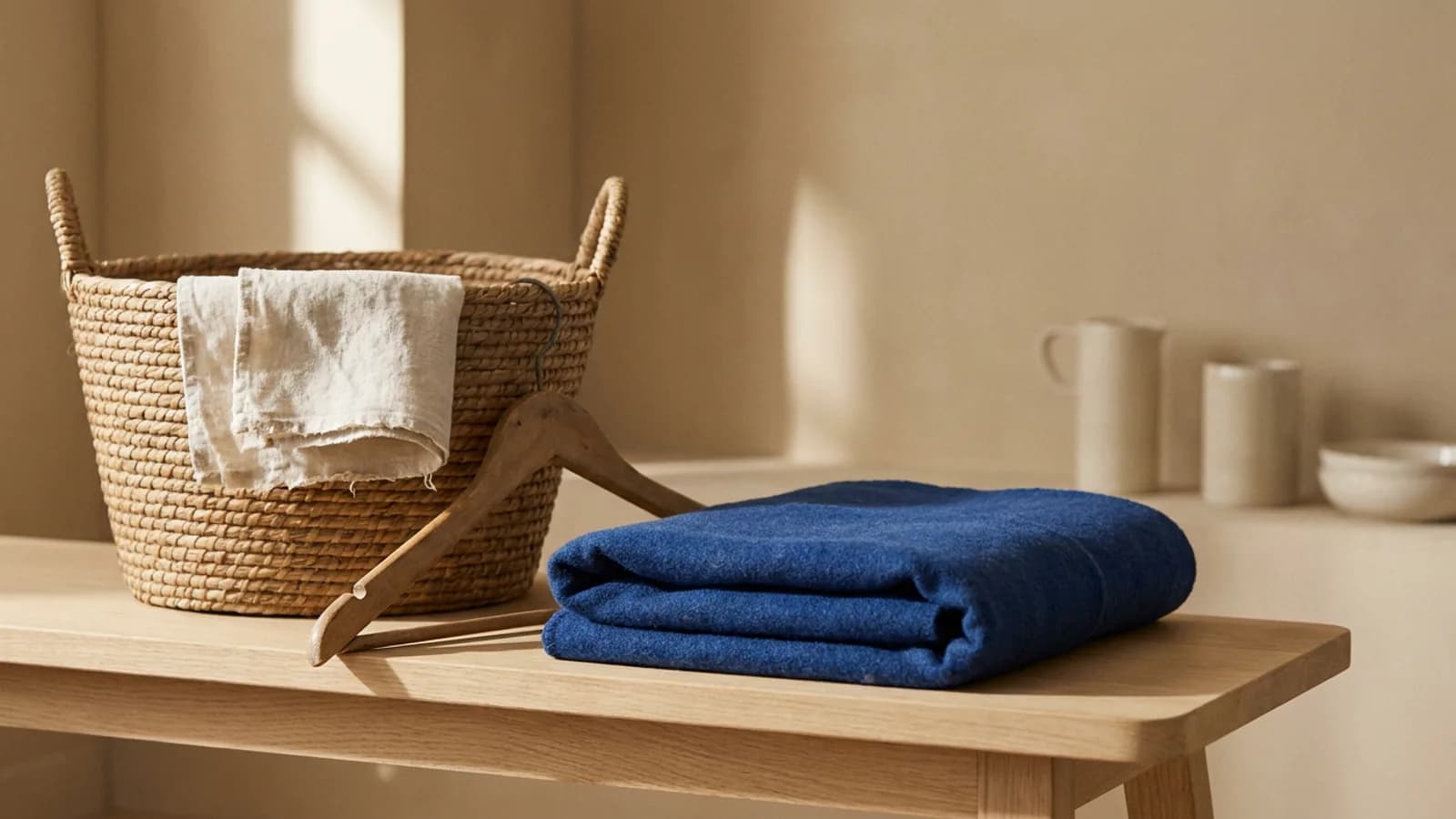
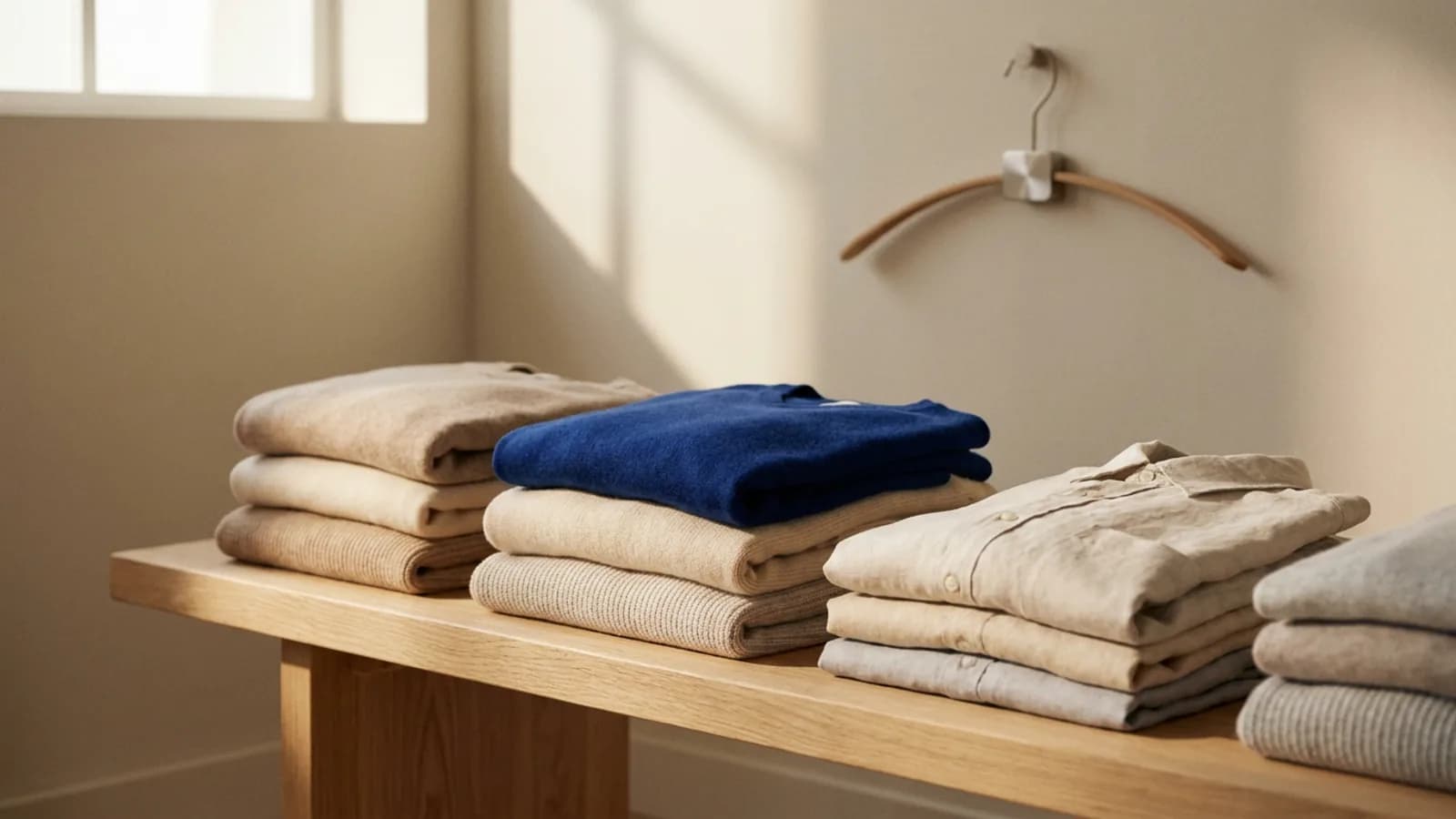
Luego algunas adiciones. Espacio en blanco suficiente para que se puedan mirar las imágenes. Fotografía que muestra escala y textura en lugar de gritar. Una categoría que puedes escanear de un vistazo en lugar de desplazarte durante un minuto.

La recompensa más lenta
La calma convierte peor esta semana y mejor este año. Es un intercambio genuinamente difícil de hacer, y la mayoría de las organizaciones lo resisten, porque el costo de la urgencia es invisible mientras que su beneficio es medible.
La ventaja acumulativa es que un comprador que no fue presionado vuelve sin necesidad de ser reorientado. Esa es la misma apuesta subyacente que describimos en lo que significa la lealtad cuando todo está personalizado: la consistencia supera a la astucia con el tiempo suficiente.
Una prueba sencilla
Mira cualquier página de producto y pregunta qué elementos existen para ayudarte a decidir y cuáles existen para impedir que pienses. Por lo general, es obvio en segundos, y una vez que lo ves no puedes dejar de verlo.
Preferimos que te tomes tu tiempo. Navega hogar y cocina o accesorios despacio, cierra la pestaña y vuelve mañana si quieres. El artículo seguirá ahí al mismo precio, que es lo mínimo que una tienda puede ofrecer.