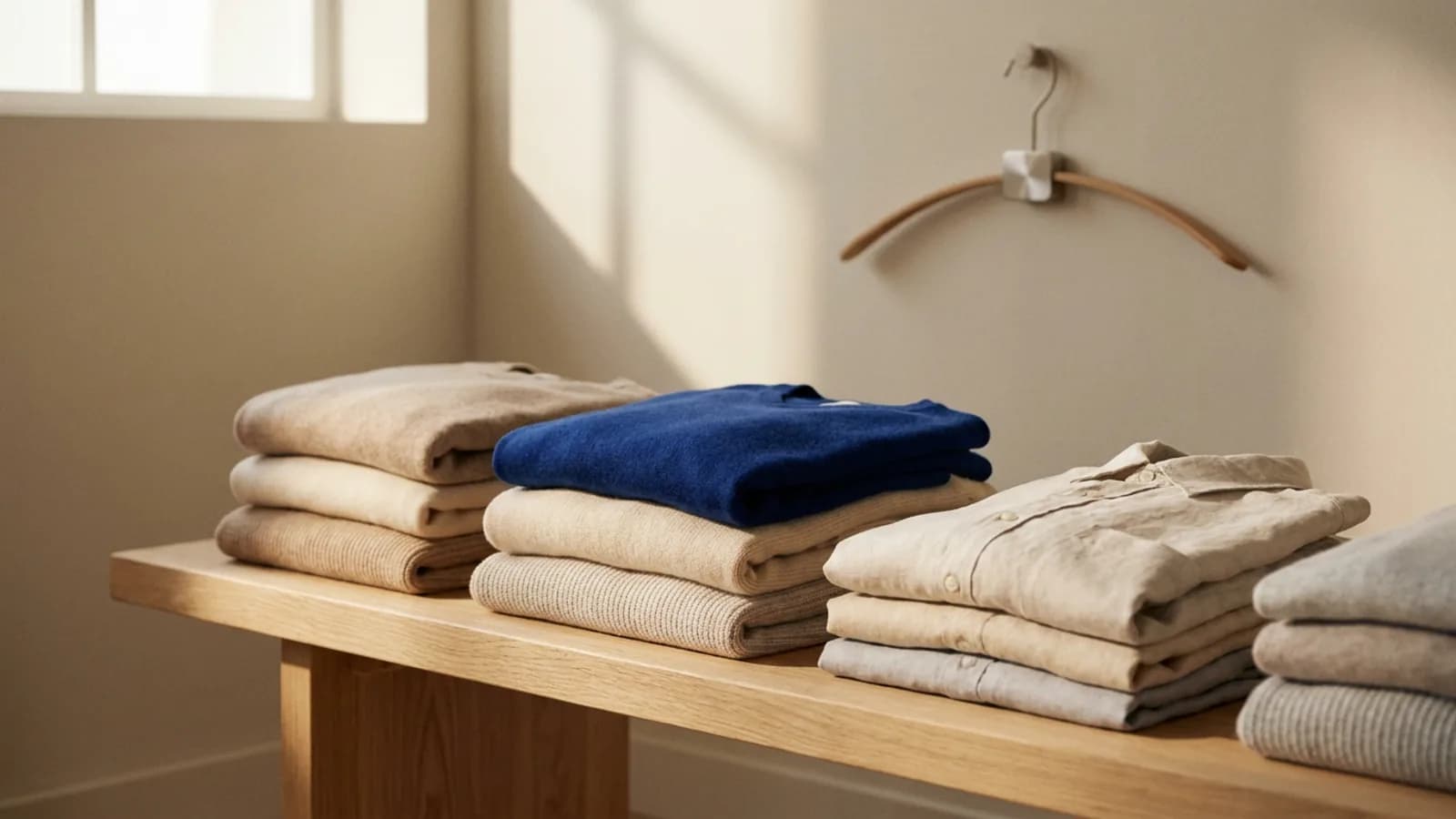

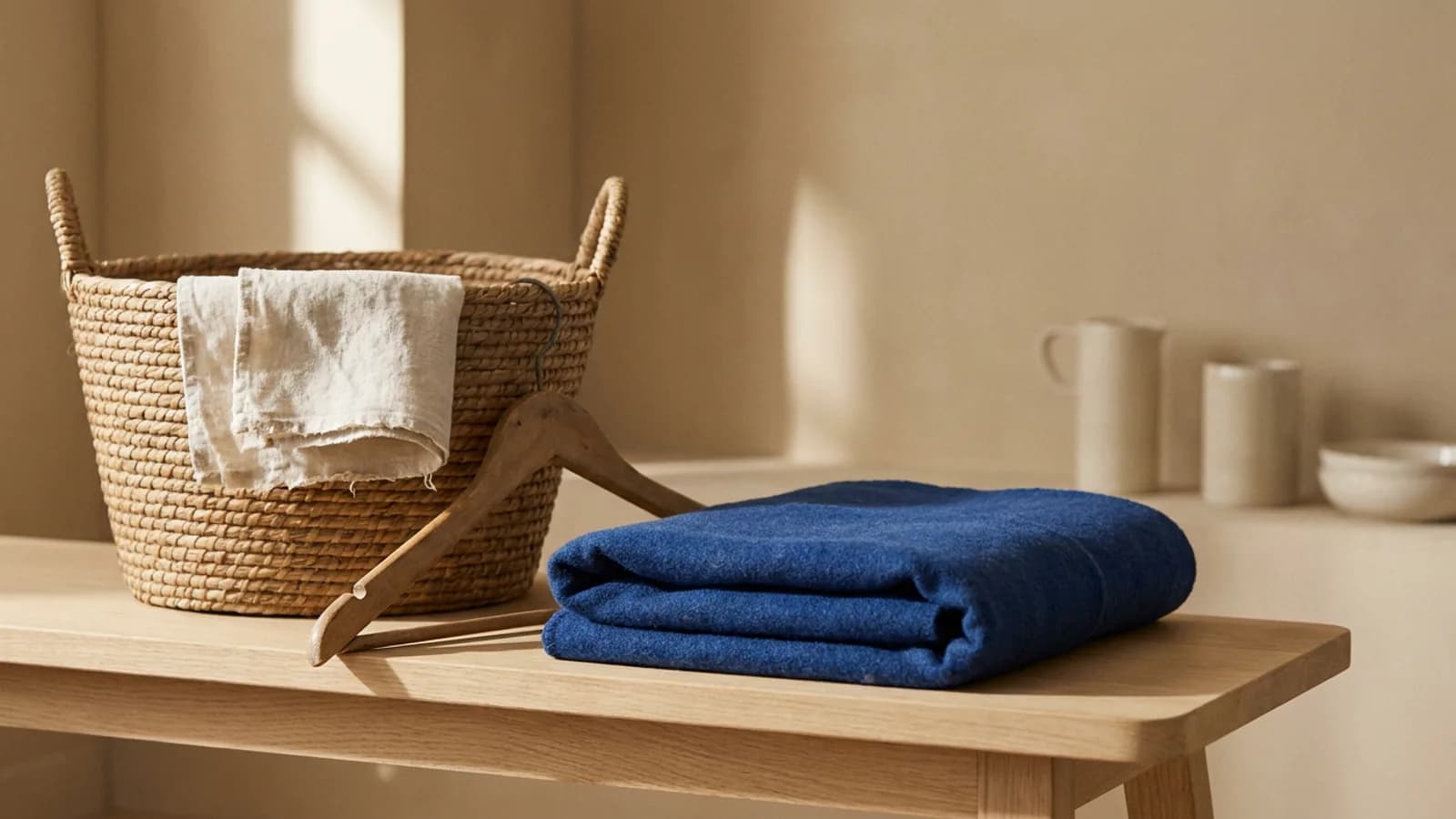
C’è un’antica supposizione nascosta nella frase "seconda mano": che il primo proprietario abbia ottenuto il vero oggetto e che tu stia ricevendo ciò che è rimasto. Per molto tempo anche il mercato si è comportato in questo modo, con fotografie scadenti, descrizioni vaghe e nessun modo per giudicare le condizioni prima che l’oggetto arrivasse.
Questo è cambiato più rapidamente di quanto la maggior parte delle persone abbia notato, e la ragione non è il sentimento verso la sostenibilità. È che il mercato dell’usato ha finalmente imparato a fornire informazioni affidabili.
Cosa è effettivamente cambiato
Tre aspetti poco glamour. La classificazione delle condizioni è diventata abbastanza standardizzata da avere un significato. La fotografia è diventata onesta, includendo anche i segni di usura. E i resi hanno smesso di essere una battaglia, eliminando così gran parte del rischio nell’acquistare qualcosa che non si può toccare prima.
Una volta risolto il problema delle informazioni, l’economia ha fatto il resto. Un oggetto ben fatto che si è leggermente ammorbidito con l’uso è spesso una scelta migliore di uno nuovo costruito con specifiche più leggere allo stesso prezzo.
Perché la durabilità è la variabile silenziosa
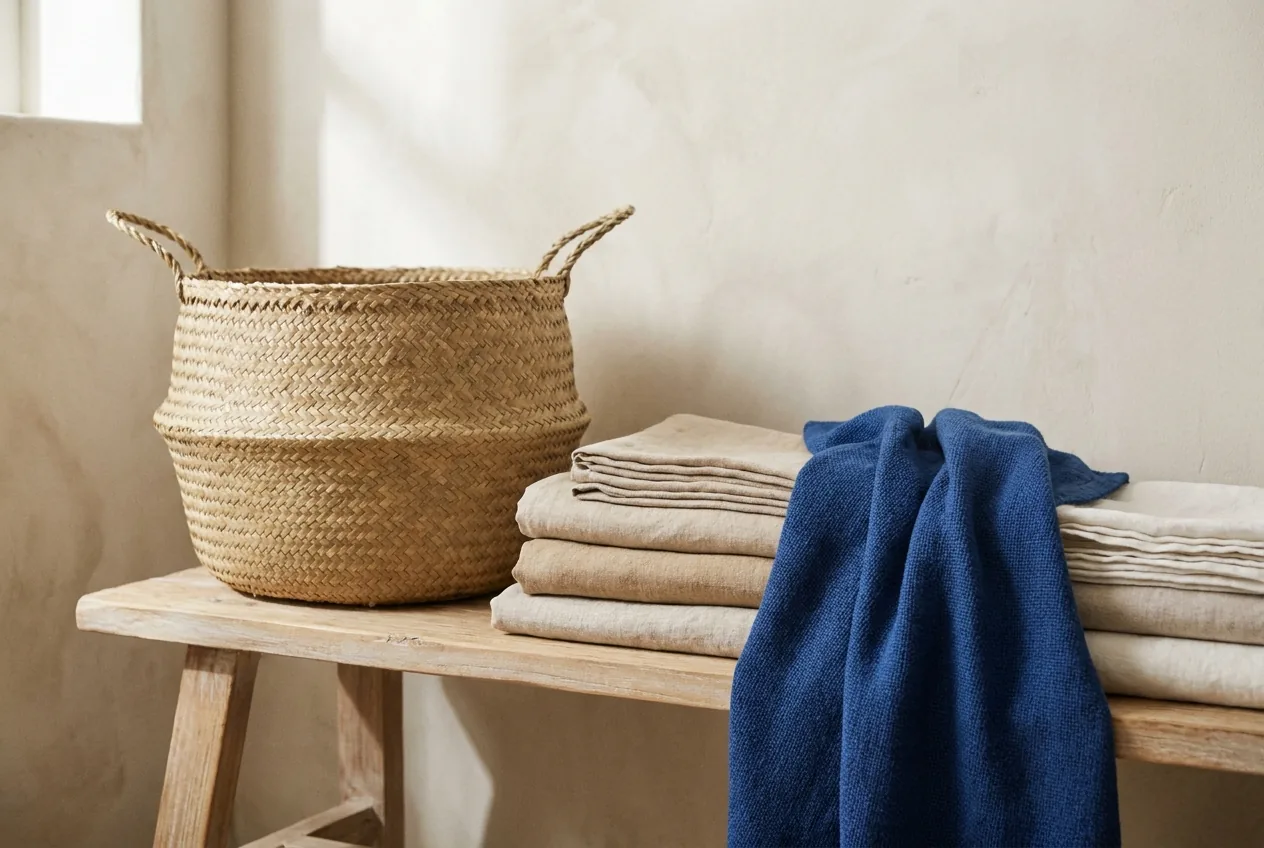
La domanda interessante raramente è nuovo contro usato. È quanto dura l’oggetto. Un articolo indossato duecento volte ha un’impronta molto diversa, e un costo per utilizzo molto diverso, rispetto a uno indossato due volte.
La prospettiva dell’economia circolare rende questo concreto: il valore si preserva mantenendo gli oggetti in uso, non producendo più oggetti in modo efficiente. Per chi acquista questo si traduce in qualcosa di semplice. Chiedi come un oggetto si deteriora, non solo come appare.
Come giudicare le condizioni senza vederle
Alcune abitudini fanno la maggior parte del lavoro. Leggi la descrizione dell’usura prima del prezzo, perché il prezzo ha senso solo in quel contesto. Cerca fotografie delle parti che subiscono stress: cuciture, suole, cerniere, chiusure, fodere. Verifica se esistono parti di ricambio, poiché un oggetto riparabile con un componente usurato è un affare, mentre uno non riparabile è un rischio.
E sii onesto sul motivo per cui stai acquistando. Un capo che indosserai ogni settimana giustifica pazienza e uno standard più alto. Un capo per un’occasione sola no, e fingere il contrario è il modo in cui gli armadi si riempiono di cose che nessuno ha scelto due volte.

Comprare meno, ma decidere meglio
Niente di tutto questo richiede un cambiamento di identità. Richiede per lo più di rallentare la decisione di un giorno. La forza contraria è una vetrina progettata per impedire esattamente questo, un problema di design che analizziamo in il problema dell’attenzione.
Dove si traduce praticamente è in ciò che scegli di tenere. I capisaldi dell’armadio e i pezzi per la casa ponderati premiano la decisione più lenta, perché sono le cose che tocchi ogni giorno e noti quando si guastano.
La nuova prospettiva
Pre-loved non è una categoria di sconto né una posizione morale. È un insieme più ampio di opzioni con informazioni migliori, che è solitamente il modo in cui si trova qualcosa di buono. Prolungare la vita di ciò che già esiste è il miglior miglioramento disponibile, ed è anche collegato a come l’industria sta ripensando il proprio futuro, un tema che affrontiamo attraverso la lente di per chi sono progettati i vestiti.
Secondo migliore non è mai stata la descrizione giusta. Era solo la descrizione che avevamo prima che le fotografie diventassero oneste.