

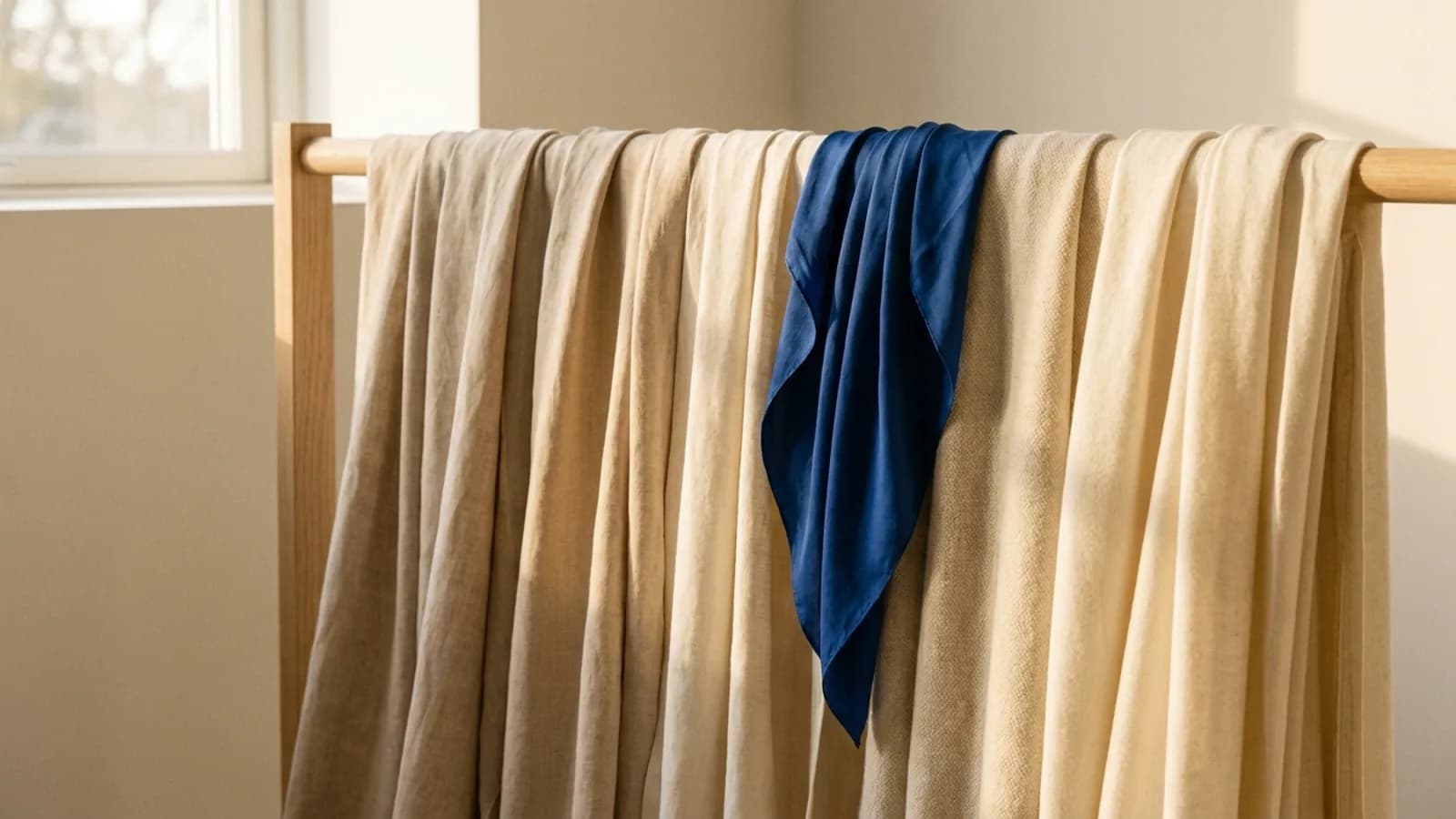
For years, dressing with more coverage meant working against the available options. Buying a size up so a sleeve reached the wrist. Layering two garments to achieve what one should have done. Searching a category built on the assumption that less fabric is the default and anything else is a modification.
The people doing that work were never a small group, and their reasons were never singular: faith for some, comfort or climate or simple preference for others. What was missing was not demand. It was clothes designed on purpose.
Coverage is a brief, not a constraint
Ask a designer to work with a longer hemline and a fuller sleeve and you have not restricted them, you have given them a problem. Proportion has to be rebalanced. Drape matters more, because there is more fabric to hang. Fabric weight becomes critical, since coverage in the wrong material is unbearable in summer.
The garments that come out of that process are frequently better made than their briefer equivalents, for the straightforward reason that they cannot rely on cut-away shapes to do the visual work.

The market caught up slowly
Modest dressing was treated as a regional or seasonal niche far longer than the numbers justified, and it took independent designers and a great deal of customer patience to demonstrate otherwise. Reporting on the sector has repeatedly pointed to substantial and sustained global demand that mainstream ranges were slow to serve.
The lesson is uncomfortable and familiar: an underserved market usually looks small precisely because nobody built for it, and then looks obvious in hindsight.
What makes it work
A handful of things do most of the lifting. Fabric that holds its shape without clinging, because coverage plus cling defeats the point. Sleeves cut with real room at the shoulder so movement is not restricted. Hemlines that are considered rather than merely long. Layering pieces designed to sit under or over other things instead of being repurposed.
Get those right and modest dressing stops being a workaround and becomes what it should be, which is choosing between options you actually like.
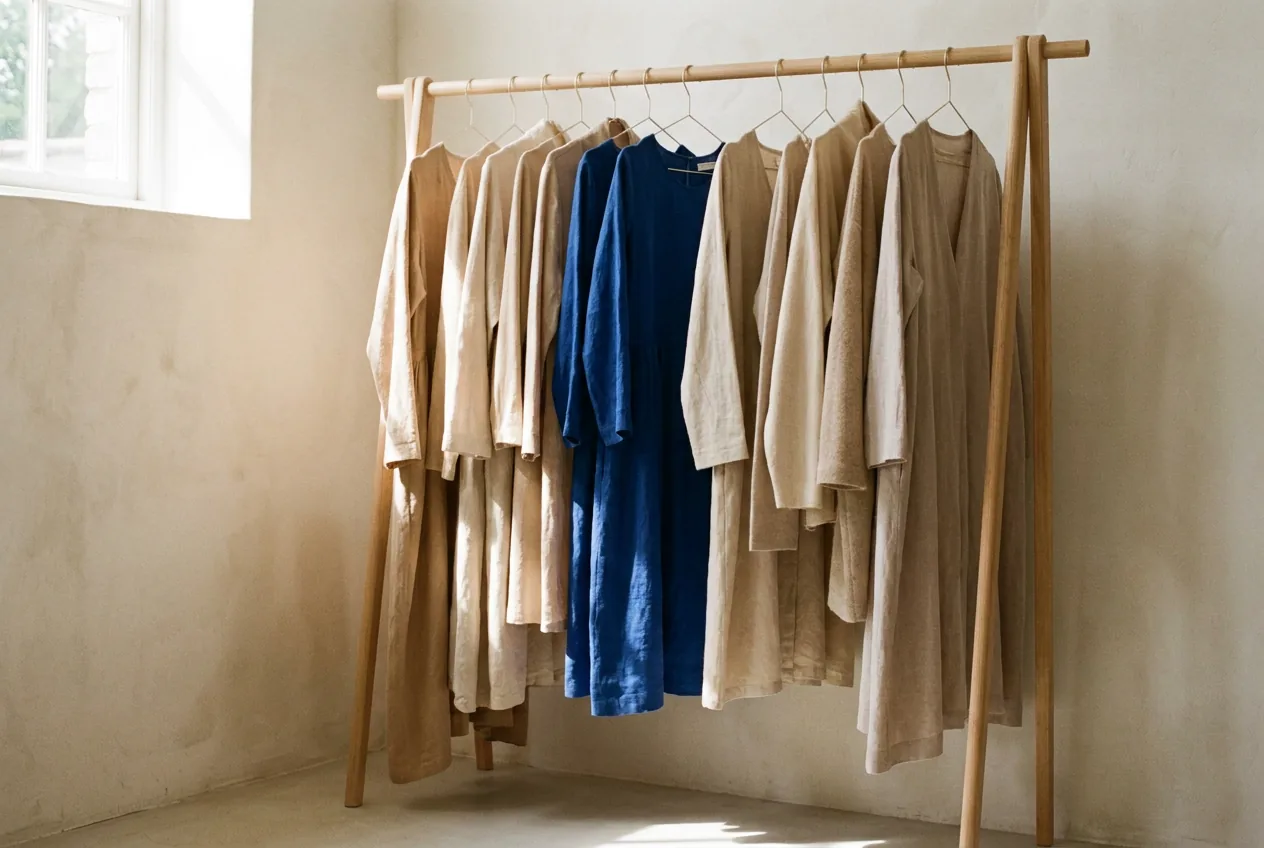
Accessories carry more weight
With less skin in the composition, the details do more. A scarf becomes structural rather than decorative. Proportion and finish on accessories read louder, because they are the contrast in an otherwise continuous silhouette. Texture starts doing the job that cut does elsewhere.
It is a genuinely interesting design space, and it rewards attention to how pieces work together rather than how any single one looks alone.
Drop the qualifier
The word "modest" is useful for finding things and unhelpful as a category wall. Nobody describes a short hemline as immodest fashion. It is just fashion, and so is this.
The broader point is the one running through adaptive design too, and through how we think about buying fewer, better things: serving people properly usually means questioning who the default customer was assumed to be.